
Quality and Safety in Nursing 2.0
Global Medical Knowledge Alliance (GMKA) is launching a free online course for nursing staff: “Quality and Safety in Nursing 2.0.”
The course was developed by GMKA in collaboration with Houston Methodist in Houston, Texas — one of the leading healthcare systems and academic medical centers in the United States. Houston Methodist comprises eight hospitals, including a flagship academic hospital located in the Texas Medical Center, as well as a research institute, an international patient care program, and a network of outpatient care facilities.
The course will be delivered by experts from Houston Methodist. It will cover essential principles of quality and safety in patient care, including the prevention of catheter-associated infections, safe medication administration, effective clinical communication, and the active role of nurses in improving healthcare quality.
Sessions will be held weekly via Zoom.
Course Objectives:
- Understand and apply key principles of quality and safety in nursing practice.
- Identify the most common healthcare-associated infections.
- Demonstrate appropriate methods of infection prevention and control.
- Enhance clinical communication and teamwork skills.
- Contribute to the development of a culture of safety and professional accountability.
- Participate in epidemiological surveillance and reporting processes related to infection prevention and patient safety.
Course Organizers
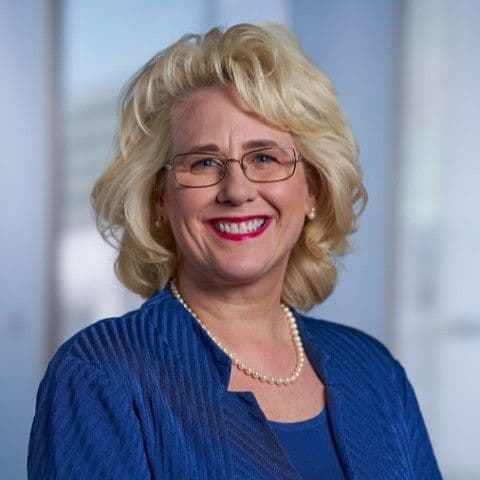
Shannan K. Hamlin
PhD, RN
Instructor
Course Program
The course includes four sessions:
- Infection Control in the Operating Room
- Foundations of Infection Prevention and Control. Hand Hygiene and Personal Protective Equipment (PPE)
- Communication, Teamwork, and Safety Culture
- Healthcare-Associated Infections (HAIs)
Watch Lectures
To access additional lectures, click the "Playlist" button located in the upper-right corner of the video player ◳