
Case-Based Lecture Series for Clinicians: Anticoagulation Stewardship
Global Medical Knowledge Alliance (GMKA) is launching the Case-Based Lecture Series for Clinicians: Anticoagulation Stewardship. This free online course was developed in response to requests from Ukrainian clinicians who manage coagulation disorders, thrombosis, and bleeding in intensive care, surgery, and everyday clinical practice.
The program offers expert-led education with a strong emphasis on decision-making in real clinical scenarios, supported by the HealUA mobile application.
The course begins on 13 January 2026.
The curriculum is designed for hematologists, hem-oncologists, transfusion medicine specialists, anesthesiologists–intensivists, family physicians, internists, surgeons, and other clinicians who routinely manage anticoagulation, coagulation disorders, and complex cases of thrombocytopenia, thrombosis, and coagulopathies.
The course includes 12 sessions.
Sessions will follow the scheduled program and will be delivered as online lectures via Zoom, accompanied by case-based learning in the HealUA app.
The course faculty includes experts from Canada, the United States, EU countries, and international professional societies — leading specialists in transfusion medicine and hematology with extensive clinical and academic experience.
HealUA is a secure, AI-enabled mobile application that connects Ukrainian physicians with each other and with global medical experts for peer-to-peer consultations.
| HealUA is available for both iOS and Android. Download here: http://onelink.to/healua |
Key Objectives of the Course
- Develop proficiency in modern algorithms for evaluating coagulation, diagnosing and treating thrombosis, assessing bleeding risk, and managing patients with thrombocytopenia and coagulopathies.
- Deepen understanding of anticoagulation strategies, including the advantages, limitations, and clinical considerations of new agents.
- Strengthen decision-making skills in complex clinical situations, including in resource-limited settings.
- Enhance interdisciplinary collaboration among clinicians working across hematology, intensive care, oncology, vascular medicine, transfusion medicine, and internal medicine.
Course Organizing Committee
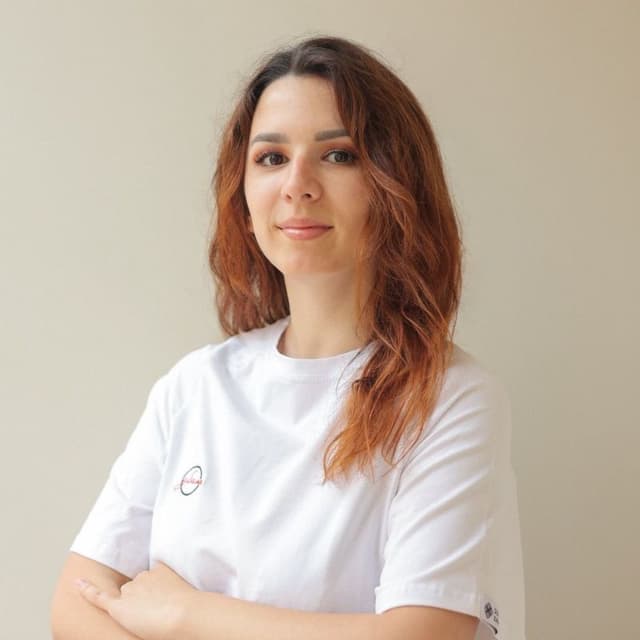
Olga Kostenchak-Svystak
MD
Course Coordinator
Course Program
Watch Lectures
To access additional lectures, click the "Playlist" button located in the upper-right corner of the video player ◳